 Lowest price guarantee
 Free worldwide shipping


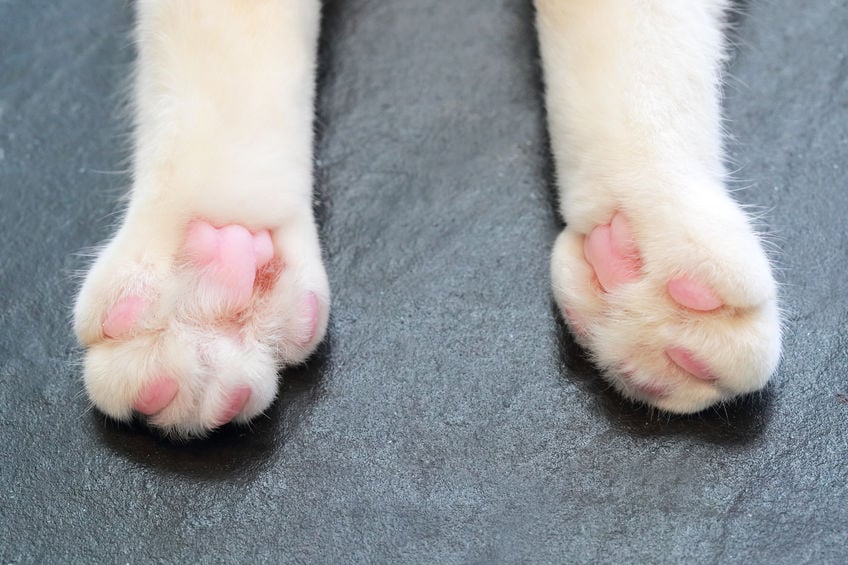
When do I need to trim my cat’s claws?
Trimming yours cat’s claws sounds like an agonizing experience, but with some patience, can actually save you stress by preventing Kitty from sharping his nails on household furniture. While not generally necessary, you may want to consider investing in nail trimmers if you’ve tried everything and your pet is still shredding your favorite couch.
A cat’s claws are made of two parts: an outer keratinized section composed of nails that your pet cannot feel, and the nail pulp in the center, which contains nerves and blood vessels. Cats naturally sharpen and shed their outer nails, which can sometimes lead to unwanted scratching of household items. If you are hesitant to clip your cat’s claws, try using a repellent spray on your sofa, chair, or other item your pet is clawing first. Nail caps are also available to top Kitty’s claws and preventing him from scratching and damaging furniture. If you have tried all of the above with scratching post to no avail, however, it is time to consider trimming your cat’s claws. Similar to cutting a dog’s nails, clipping your Kitty’s claws involves cutting the hard, sensationless outer layer without cutting too far into the sensitive nail pulp. Cats control whether their nails are extended using tendons and ligaments, however, so you will have to do some extra legwork when trimming Kitty’s claws.
It is best to start nail trimming when your cat is young, so he gets used to the process from an early age, but even older cats can learn to have their nails trimmed. Whatever your solution to unwanted clawing, however, remember that outdoor cats need their nails for climbing and self-defense, so do not trim or cap your pet’s nails unless he is a full-time house cat.
Comments
No comments yet. Be the first to share your thoughts.
Leave a comment