 Lowest price guarantee
 Free worldwide shipping


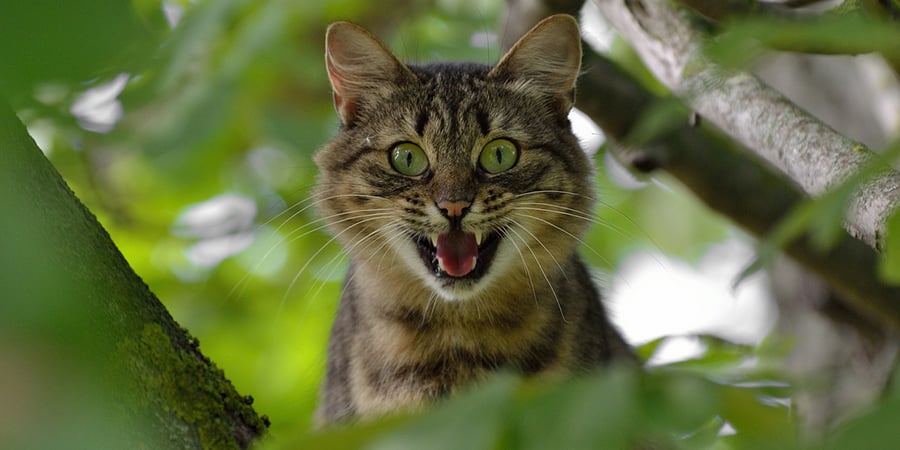
Aggression is one of the most common problems cat owners face. Whether he is lashing out at you or other pets, your cat’s hostile behavior can cause serious injuries and even infection. Fortunately for owners of unfriendly felines, aggression can often be addressed by understanding the subtle signals your cat gives when he’s feeling threatened or anxious.
Aggression comes in many forms but is generally defined as any harmful or threatening behavior directed toward another animal or person. In the wild, nearly all animals display aggression when protecting their territory, family, or themselves from an attack. In the case of your cat, this behavior can range from hissing and hiding to outright attacks on a perceived antagonist. Understanding your cat’s body language is key to communicating well with your pet and avoiding such attacks.
When your cat is on the offense and prepared to attack, he will display several clear signs of aggression. These include a stiffened stance, pricked ears, narrowed pupils, fur standing on the edge, and a direct stare. Cats at risk of acting aggressively may also growl or move directly toward their opponent. When felines are feeling timid or defensive, however, they may tuck their heads, wraps their tails around their bodies, turn sideways to avoid directly facing their opponent, flatten their ears, or hiss. It’s important to recognize these signals, as they’re your pet’s way of saying: “Back off!” Rather than provoking him further by trying to touch, comfort, or punish your pet, simply give Kitty some space to recuperate as soon as you notice any signs of aggression.
In some cases, aggression in cats can also be caused by medical conditions such as epilepsy, arthritis, and dental disease. If your pet is displaying seemingly unwarranted aggression, take him to the veterinarian for an exam to rule out any physical causes behind this behavior.
Comments
No comments yet. Be the first to share your thoughts.
Leave a comment